
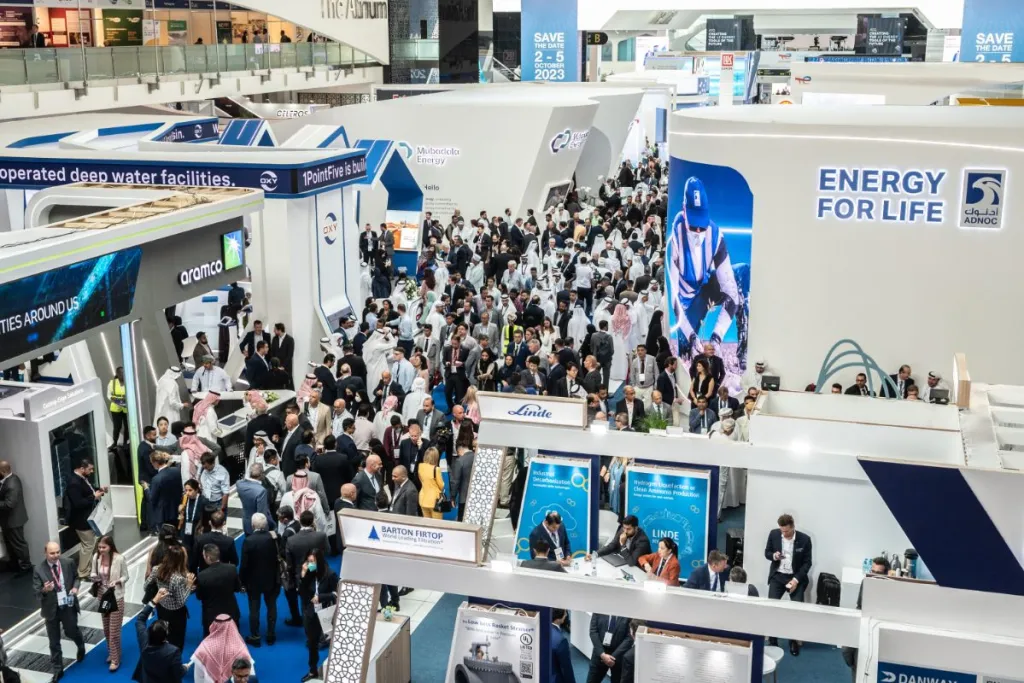
Stand and deliver: how to make the most of industry events
With Offshore Europe 2023 on the horizon and ADIPEC 2023 not far behind, companies will have been taking the time to contemplate how to maximise ROI at major industry gatherings. dsquared’s Denise Davies offers her take on how they can steal the show – and glean genuine value from taking a stand.
You’ve signed up to exhibit at a trade event. Great. You now have an opportunity to shine by showcasing your products and services to the industry and beyond. But how do you ensure that you stand out against the competition at a busy show? Here’s a quick guide to optimising your brand presence before, during and after to ensure the show is a success.
Building up to the event
The first point to consider is: what is your fundamental goal at the exhibition? Is it to raise awareness of your brand? To build a pipeline of leads? Or perhaps to support clients?
Once the purpose is clear, it’s about strategy planning: identifying your target audience at the show, and assessing the most effective way to get in front of them. It might involve submitting a speaker abstract, for example, or timing news announcements to coincide with the event.
All the groundwork, in terms of the logistics of the stand, is done beforehand: around the build and furnishing of your stand, the social events, the selection of the representatives who will be the face of your company, the preparation of briefing materials, the branding and marketing collateral you will use, and more.
It is also important to boost your profile by building momentum in the run-up to the show. Use social media to showcase your brand – introduce your show team, showcase the booth and tag the organisers.
Reach out to existing and potential clients, the media and wider industry contacts to arrange meetings on the ground at the show, publish relevant news announcements and issue a mailer to contact lists.
What about the booth itself?
- Be bold with your branding and messaging. Less is more in a busy exhibition hall. The stand is a backdrop, so you don’t have to overdo it with lots of word-heavy banners; people are there to talk to you and are unlikely to take the time to read all the text.
- Be engaging – make a product the centrepiece of your stand, demonstrate your services with a video, and have experts on hand to get into the detail.
- Be flexible – things might not always go to plan, or you may need to adapt to a change in circumstances. What happens if the video doesn’t run on the screen or the product you’re showcasing doesn’t arrive on time? Do you have a backup?
It’s showtime!
You’ve made it to the show. A lot of work has gone into the preparation, so what now? At this stage, the focus is on creating and maintaining visibility until the lights go out on the final day.
Firstly, brief your team to ensure they know what’s expected of them. It’s important that the sales and technical people are clear on what you are trying to achieve at the show and that they are familiar with the company’s elevator pitch.
Then, meet the neighbours – it helps to create a friendly buzz around your area of the show. And who knows, they might be your next client!
After that, you are initiating the plans you set out before the show – you’re meeting clients, prospects and the media, attending networking events and posting on social media. Get out and meet people – do a stand rota to ensure that everyone has the opportunity to walk the floor and take meetings. Visit competitor stands to see how they are presenting themselves.
Don’t forget to document the show – take photos, get some video footage and note who visits your stand by collecting business cards or via a lead scanner from the show organisers.
Measuring your show performance
After it’s all over, what then? Move quickly to assess how it went. Check your stats to understand who visited, and strike while the iron is hot by following up with new contacts within a few days of the show. Add them on LinkedIn and invite them to follow your company page.
Measure the results against those goals you set at the outset. Assess your ROI against your original objectives, for example;
- Attendance – contacts made, proposals sent, and client relationships strengthened.
- Media interaction – journalists met, interview participation, and articles published.
- Social media presence – number of post interactions and followers gained.
- Web traffic – check your analytics to see if you have a spike in visits to your site.
- Events – whether attending a networking event or hosting your own, you can review how many new contacts you made.
Most importantly, if you have a CRM, like Salesforce, tag your opportunities to the campaign to measure the return on investment. It will help you assess whether it’s worth exhibiting at the same show next year.
You can find out more about ROI and measuring marketing performance here.
And finally, take note of any learnings for next time around!
If you do need help with your presence at a forthcoming show, please get in touch with Denise – denise@dsqmarketing.com